For growing restaurant chains, cloud-based software can simplify operations, strengthen data security, and provide real-time visibility across locations. But with so many options—each promising to streamline your business—it’s essential to choose a system that fits how your organization actually works.
1. Start with Your Pain Points
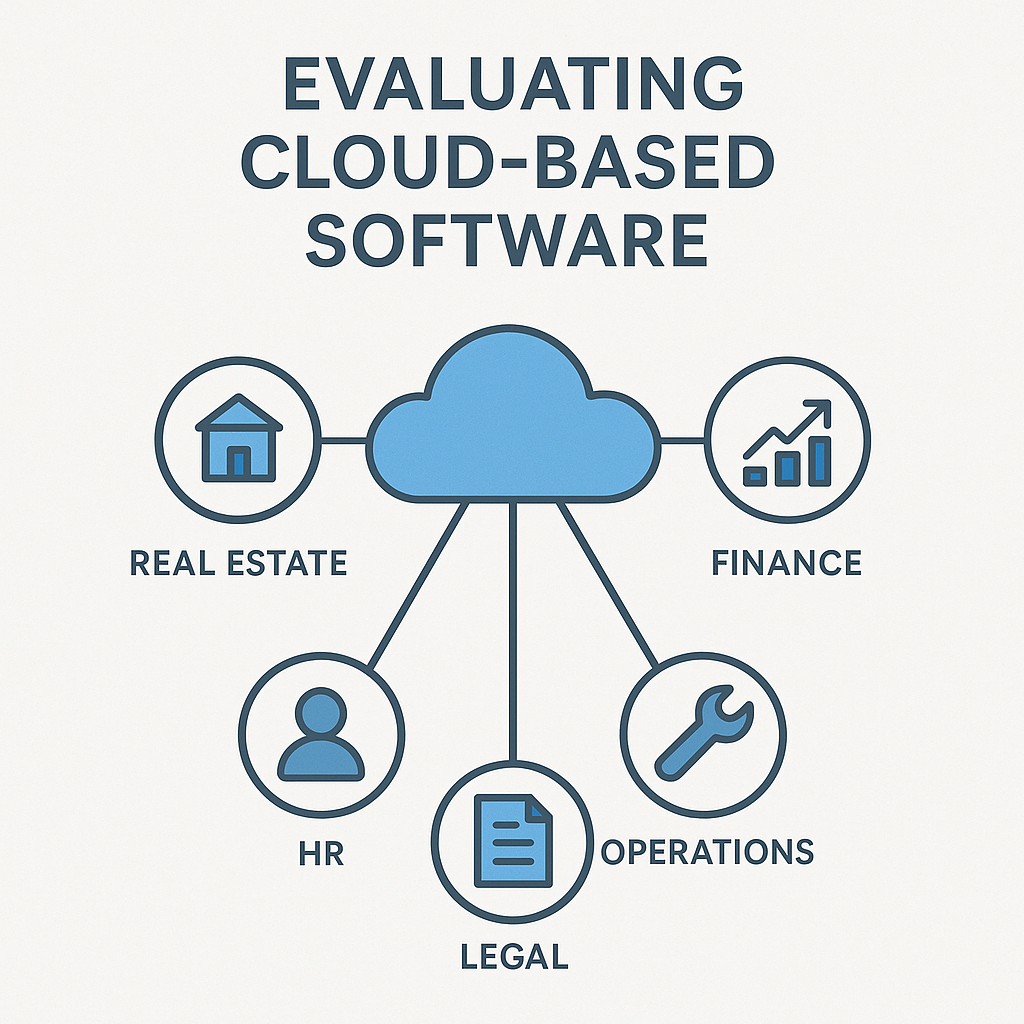
Begin by identifying what slows your teams down today. Are spreadsheets creating version chaos? Is compliance tracking inconsistent? Do managers waste hours gathering unit data from different departments? Gathering feedback from real estate, HR, finance, and operations ensures you capture needs across the business.
2. Map Your Information Flow
Document how data moves between teams and where breakdowns occur. Understanding these connections highlights where centralization, automation, and integration could deliver the greatest impact.
3. Prioritize What Matters Most
List your must-have capabilities—such as centralized data storage, permissions by role, or historical reporting—and separate them from nice-to-haves. Scalability, data security, and support for multiple brands are especially important for expanding restaurant groups.
4. Evaluate Vendors Thoroughly
When comparing platforms, look beyond the demo. Ask how data is protected, how backups and updates are handled, and what onboarding support is provided. Talk with current clients about their experience with implementation and long-term service. A dependable vendor should feel like a partner, not just a provider.
5. Pilot Before You Commit
Start small. Testing a few locations lets you measure the system’s usability, time savings, and reporting accuracy. Feedback from real users often reveals what truly works.
From Evaluation to Execution
The best restaurant software doesn’t just replace spreadsheets—it connects your teams around a single source of truth. Solutions like UnitTrak, built by industry professionals, exemplify what to look for: centralized data, strong compliance tools, scalable infrastructure, and intuitive reporting.
When your software supports collaboration instead of fragmentation, your organization runs smarter, faster, and with greater confidence.